
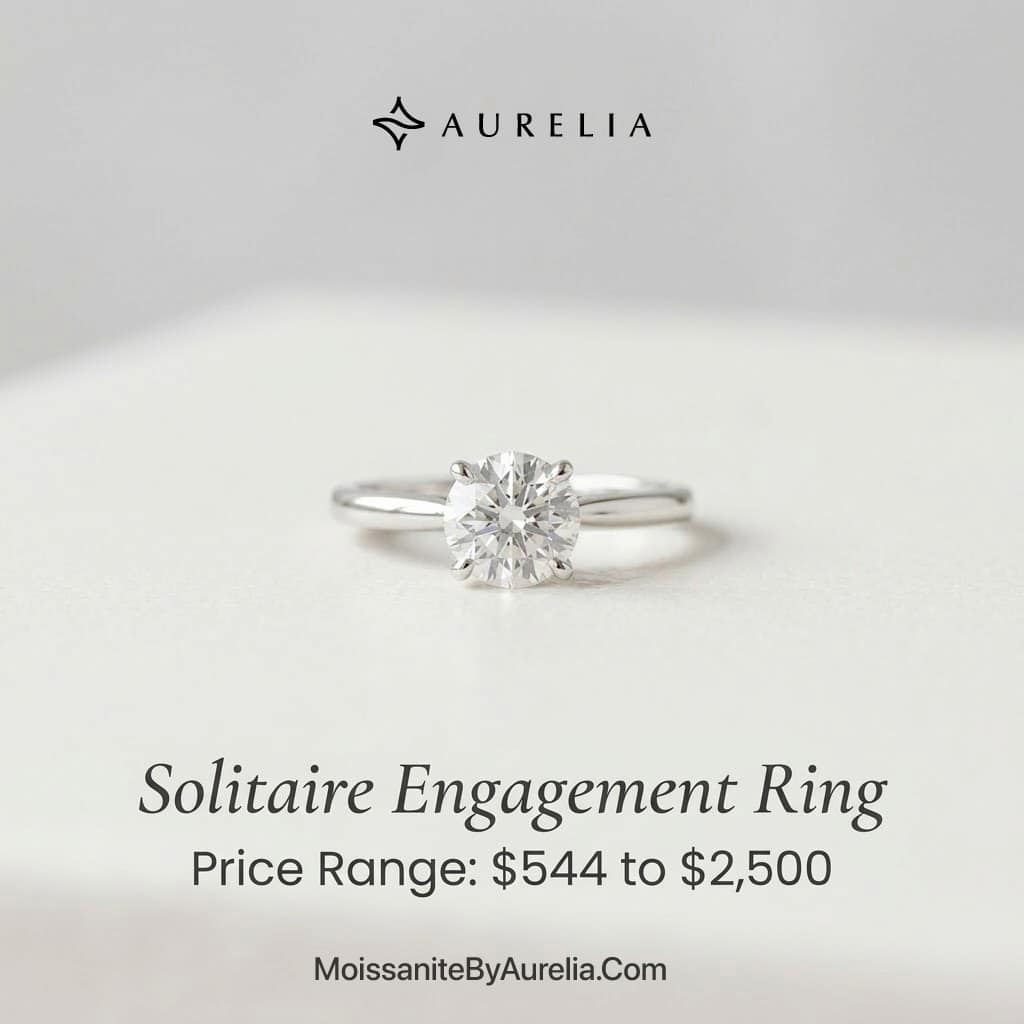
My Honest Opinion After Inspecting 1,000+ Solitaires
A solitaire engagement ring setting costs between $544 and $2,500 for the metal alone. In 2026, the total cost for a 1-carat high-quality solitaire averages $4,500 (Natural) or $1,200 (Lab-Grown) depending on the metal choice and prong security.
As a GIA expert, here is my biggest warning: You cannot skimp on Cut quality in a solitaire. In a halo or pavé setting, side stones hide a poor cut by bouncing light everywhere. In a solitaire, your diamond is completely naked.
A ‘Fair’ or ‘Good’ cut diamond in a simple band will look like a lifeless piece of glass. In 2026, Cut is the only ‘C’ that matters if you want that high-end brilliance.
The 2026 Solitaire Strategy
| Buying Strategy | 2026 Recommended Setting | Mehedi’s Expert Logic | Price Point |
|---|---|---|---|
| Timeless Luxury | Six-Prong Platinum | Maximum security. Platinum is hypoallergenic and never loses its “white” luster. Ideal for lifetime durability. | $1,020 |
| Budget Maximizer | Knife Edge 14k White Gold | Puts 90% of your budget into the center stone. Use my budget settings guide for more low-cost picks. | $544 |
| The 2026 Trend | Romantic Hidden Halo | Adds side-profile “secret” sparkle without ruining the top-down round brilliant fire. | $2,375 |
| Structural Safe-Bet | Sculptural Waves 2.4mm | Provides the width needed to support 2ct+ diamonds safely while keeping a modern aesthetic. | $900 |
| The 2026 Frame Verdict: When building your ring, the setting is the “foundation” for your diamond’s light performance. If you’re going for a D-color stone, stick with Platinum or White Gold. If you want to warm up a lower color grade, the **Sculptural Waves in Yellow Gold** is your strategic best friend. | |||
Don’t just buy the cheapest band to save money for the rock. If you are mounting a 2-carat or 3-carat stone, the structural integrity of the metal is just as important as the diamond itself.
A flimsy band is why diamonds get lost. Before you buy, check our Diamond Cut Chart to understand why Cut determines the price floor of your ring.
The beauty of a solitaire ring is its absolute simplicity. There are no pavé diamonds, no vintage milgrain, and no flashy halos to distract the eye. It is just pure, unadulterated focus on one single stone. It is the most honest ring style you can buy.
Because the design is so simple, retail jewelers will often try to convince you that the setting doesn’t matter. ‘Just buy the $500 band and spend the rest on the diamond,’ they say.
But as a GIA expert, I’ve seen cheap, whisper-thin 1.5mm bands warp within a month of daily wear.
When a band warps, the prongs pull apart. I’ve seen $10,000 diamonds fall out in grocery store parking lots because the owner chose a ‘delicate’ band over a durable one.
In 2026, we are seeing a shift back to ‘substantial’ metal. Today, I’m going to show you exactly what a structurally safe solitaire setting should cost and which benefits of a low-set engagement ring actually matter for your lifestyle.
- Metal Baselines: Why the James Allen Comfort Fit Solitaire ($729) is a safer bet than the ultra-thin entries.
- The 4 vs. 6 Prong Debate: Why the Blue Nile Petite Nouveau Six-Prong ($670) is the gemologist’s choice for Round Brilliants.
- The Platinum Markup: Is the Leaf Solitaire Engagement Ring ($1,455) worth the jump over 14k gold?
- Total Cost Analysis: Real-world 2026 pricing for 1-carat and 2-carat finished rings.
If you are ready to start building, don’t guess the proportions. Use our guide on how to build your own engagement ring on James Allen to ensure your setting width matches your diamond’s carat weight perfectly.
Diamond IQ Test: Natural or Lab-Grown?
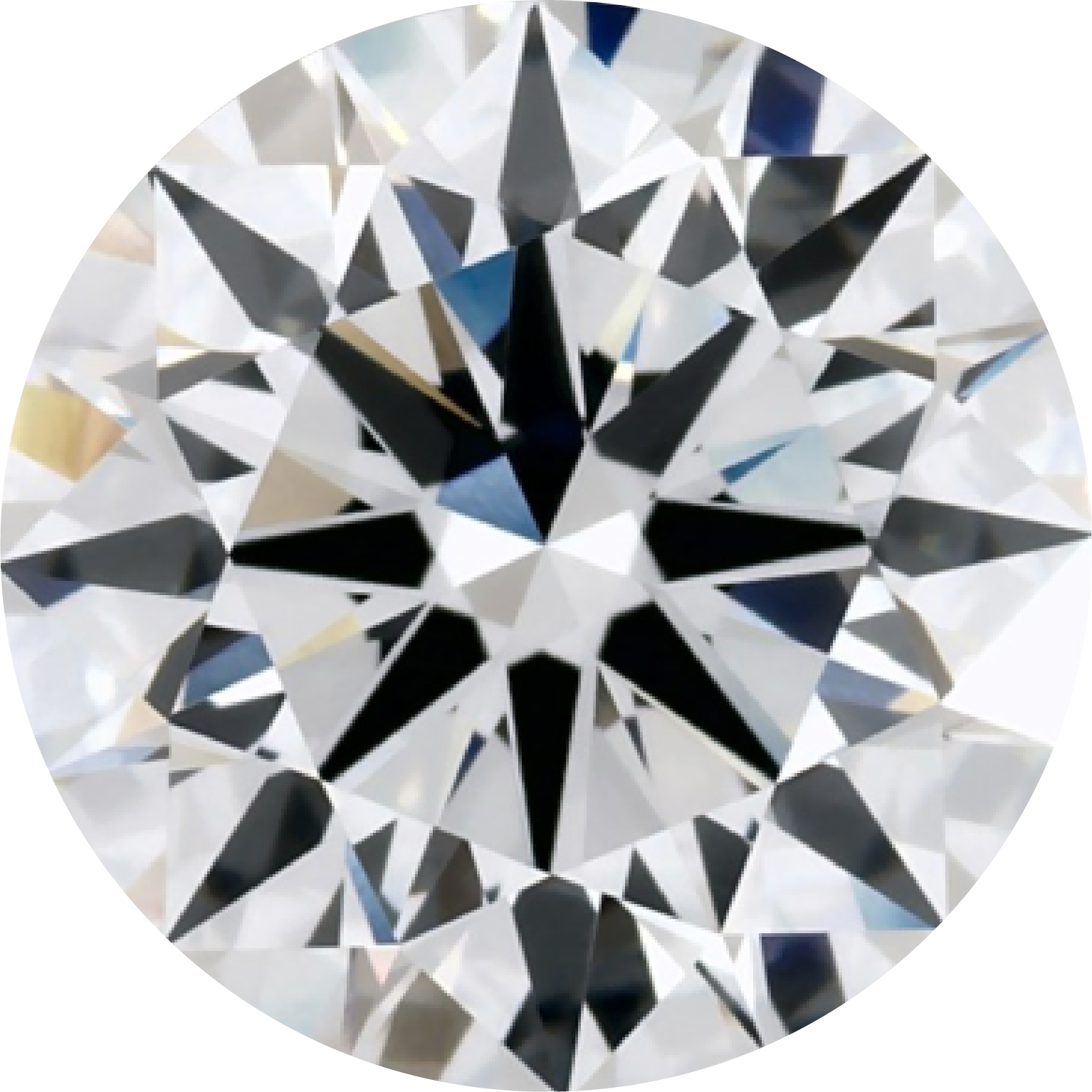
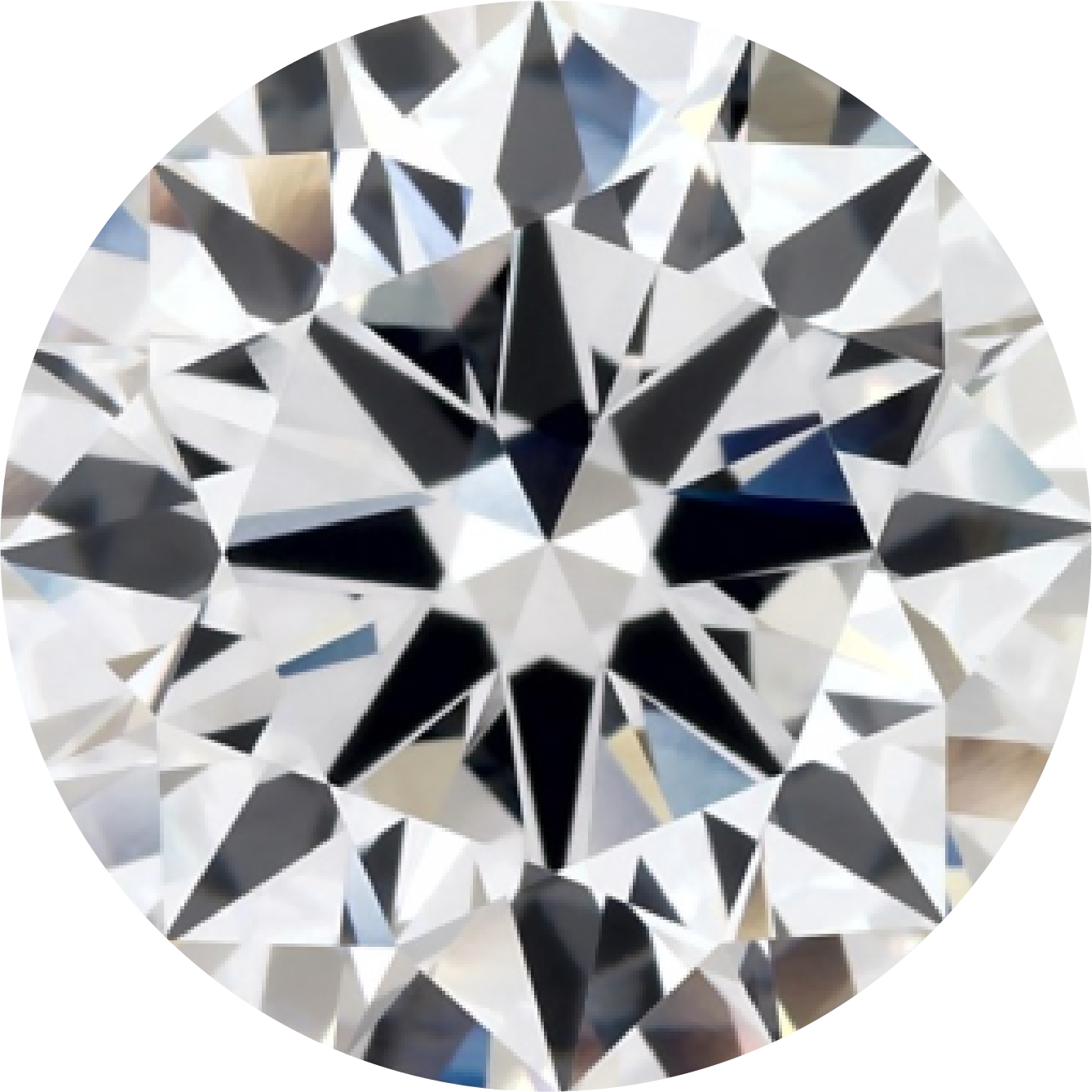
Two identical diamonds: GIA Certified, 1.51ct, D Color, VVS1, Ideal Cut. One is natural ($16,530), the other is lab-grown ($2,390). Choose the diamond you like better and see if you can match it to its origin.
Solitaire Setting Price Only: The 2026 Baseline
When you already own a stone—perhaps a family heirloom or a loose lab diamond you found at a wholesale price—your focus shifts entirely to the “mounting.”
In 2026, the solitaire setting price only is dictated by the complexity of the prong work and the density of the metal.
What Does the Metal Actually Cost?
If you walk into a jeweler saying, “I have the diamond; what does the band cost?” you need to know the 2026 market baselines. Retailers like Blue Nile and James Allen have optimized their pricing for 14K Gold and Platinum, but the gap between “Budget” and “Premium” is often wider than it looks.
The 2026 Price Spectrum (Setting Only)
| Category | 2026 Setting Example | Price Point | Mehedi’s 2026 Verdict |
|---|---|---|---|
| The Budget Entry | Classic Split Shank (14K) | $555 | Value Leader. Maximum savings for the center stone. Perfect for a under-$3,000 total build. |
| The Industry Standard | Petite Nouveau Six-Prong | $670 | High security with a delicate profile. A staple for 1-carat solitaires in 2026. |
| The Structural Choice | Sculptural Waves (2.4mm) | $900 | Supports 2-carat+ diamonds safely. The wider band ensures the ring won’t bend under the weight of the gem. |
| The Premium Hybrid | Half Bezel Knot (Platinum) | $1,380 | Modern aesthetics meets elite platinum durability. The knot detail adds unique side-profile character. |
| The 2026 Framework Verdict: Your choice of chassis should depend on your stone size. For anything over 2 carats, do not compromise on band width; the **Sculptural Waves** provides the necessary 2.4mm architecture. For budget-conscious builds, the 14k Gold options from online giants remain the most efficient way to maximize your diamond investment. | |||
The mistake I see most often is choosing a $500 setting for a $10,000 diamond. If the metal is too thin, it acts like a weak hinge. In 2026, I recommend spending at least 15-20% of your total budget on the setting alone to ensure your investment is actually safe on your finger.
Platinum vs. White Gold Solitaire Durability
One of the biggest shocks for buyers is the “Metal Markup.” Why does a Blue Nile Leaf Solitaire in Platinum ($1,455) cost nearly triple the James Allen Knife Edge in 14K White Gold ($544)? It isn’t just a “brand” tax; it’s a physics and maintenance tax.
Why Platinum Costs Double (The Gemologist’s View)
- Density & Weight: Platinum is 60% denser than gold. If you take the exact same ring design, the Platinum version will be significantly heavier. You are paying for more physical grams of precious metal.
- The “No-Loss” Metal: When you scratch gold, a tiny bit of metal is actually rubbed away. Over 20 years, gold bands thin out. When you scratch Platinum, the metal is simply “displaced” (pushed aside). It doesn’t lose volume, which is why it’s the ultimate “Heirloom” metal.
- The Rhodium Factor: White Gold isn’t naturally white; it’s plated with Rhodium. Over time, that plating wears off, revealing a yellowish tint. Platinum is white to the core.
If you are an active person or work in healthcare, the Blue Nile Bezel Solitaire in 14K Yellow Gold ($990) is a fantastic middle ground. It provides the security of a bezel without the high cost of Platinum.
However, if you want that crisp white look forever without maintenance, pay the ‘Platinum Premium’ now to save on re-plating fees later. Check our guide on how much does a platinum ring cost for a full breakdown of 2026 metal rates.
Before you settle on a metal, make sure you understand how the engagement ring metals pros and cons will affect your specific lifestyle.
The Total Cost: 1 Carat vs. 2 Carat Solitaires
When calculating the final solitaire engagement ring price, the setting is only half the battle. In 2026, we are seeing the widest pricing gap in history between natural and lab-grown options.
As a gemologist, I always tell my clients: “Decide if you are buying an asset or a look.”
The Full Ring Price (Diamond + Setting)
The total cost of your ring is a simple equation: Setting Price + Diamond Price = Your Payout. However, the variable is the “origin” of the stone. Below is the brutal 2026 math for the two most popular solitaire configurations.
The 1 Carat Benchmark (Natural Diamond)
For the buyer who wants an “Earth-mined” classic, the 1 carat solitaire diamond ring cost 2026 has stabilized after years of volatility. You are paying for rarity and long-term natural diamond resale value.
- Diamond (Natural G-VS2): ~$4,500
- Setting: Blue Nile Classic Simple Solitaire 14K Gold ($745)
- Total Investment: $5,245
The 2 Carat Value Hack (Lab-Grown Diamond)
If you want to maximize visual impact without a five-figure price tag, the 2 carat lab diamond solitaire is the ultimate “value hack” of 2026. Because lab diamonds are a depreciating technological asset, you can get a massive stone for a fraction of the natural price.
- Diamond (Lab F-VS1): ~$1,000
- Setting: James Allen Comfort Fit Solitaire 14K Gold ($729)
- Total Investment: $1,729
2026 Price Comparison Table: Natural vs. Lab Solitaires
| Configuration | Carat Weight | Diamond Type | Total Est. Cost | Mehedi’s Value Verdict |
|---|---|---|---|---|
| The Heirloom | 1.0ct | Natural GIA | $5,245 | Best for asset diversification. A tangible investment with high scarcity. |
| The Mega-Sparkle | 2.0ct | Lab-Grown | $1,729 | Maximum visual “pop” for an under-$2,150 budget. Ideal for daily luxury wear. |
| The Elite | 1.5ct | Natural GIA | $9,800+ | The price jumps exponentially after 1.49cts. See my 1.5ct value guide for better deals. |
| The Budget Entry | 1.0ct | Lab-Grown | $1,200 | Uses the James Allen Knife Edge ($544) setting to maximize the center stone budget. |
| The 2026 Buying Verdict: If you want the look of a celebrity ring without the 5-figure debt, the **Mega-Sparkle** configuration is the winner. However, for those concerned with market fluctuations, the 1-carat **Heirloom** natural diamond provides the most stable long-term value. Always check James Allen for real-time inventory on GIA-certified stones. | ||||
In a solitaire, there is no ‘halo’ to hide a yellowish tint. If you go the natural route, don’t drop below an ‘H’ color. If you go lab-grown, the prices are so low in 2026 that you should settle for nothing less than an 1-carat D-color diamond.
Let the math dictate your choice: if you want a 2-carat look for under $2,000, lab-grown is your only logical path.
Before you commit to a size, use my diamond carat size chart to see how a 1ct vs. a 2ct actually looks on a standard finger. This will help you decide if the extra $3,500 for a natural stone is worth the smaller footprint.
Structural Integrity: The Bing “4 vs. 6” Chart
When choosing a solitaire engagement ring, most buyers focus on the band, but as a gemologist, I focus on the prongs. The prongs are the only things standing between your diamond and a $0 insurance claim.
In 2026, structural integrity is non-negotiable, especially with the trend toward larger 2-carat and 3-carat stones.
6-Prong vs. 4-Prong Solitaire Security
The debate between 4 and 6 prongs isn’t just about “look”—it’s about the physics of security. A 4-prong setting is like a chair with four legs; if one breaks, the whole thing collapses. A 6-prong setting provides a safety net that can save your stone from a catastrophic loss.
The Bing-Optimized Security Comparison
| Prong Count | 2026 Security Level | Sparkle & Light Impact | Mehedi’s 2026 Verdict |
|---|---|---|---|
| 4 Prongs | Moderate | Maximum Brilliance | Less metal blocking the stone. Best pairing for Emerald Cuts, Princess, or Cushion shapes where you want the corners exposed. |
| 6 Prongs | Very High | High (Standard) | The Safety Net. If one prong breaks, the diamond stays. Ideal for Round Brilliants and Oval Cuts. |
| The 2026 Structural Verdict: For high-carat investments over 2 carats, the 6-prong head is the non-negotiable choice for security. However, if you are buying a VVS1 clarity stone under 1 carat, a 4-prong setting will make the stone appear larger and more brilliant. Always ensure your prongs are Platinum for maximum “grip” strength. | |||
- The 4-Prong Advantage: This is for the “minimalist.” By using only four points of contact, you see more of the diamond’s profile. It’s perfect for square shapes where the prongs protect the vulnerable corners.
- The 6-Prong Advantage: This is the “Professional” choice. It makes the diamond appear more rounded and provides a redundant level of security. If one prong snags and bends, the other five will likely hold the stone until you get to a jeweler for ring resizing and repair.
The Luxury Intercept: The “Tiffany Style” Hack
When people think of the “perfect” solitaire, they are usually picturing the authentic Tiffany Setting. It is a 6-prong, knife-edge platinum ring that is a marvel of engineering. However, the authentic Tiffany solitaire price starts at roughly $15,000 for a 1-carat stone.
Mehedi’s Reality Check: “You are paying a $10,000 premium for the blue box. In 2026, you can get the exact same structural security and ‘knife-edge’ aesthetic for a fraction of the cost.
- The Alternative: Choose the James Allen Six-Prong Solitaire in Platinum for $1,020.
- The Result: You get the same ‘GIA Standard’ security and the same ‘forever metal’ as the luxury brands, but you save enough money to upgrade from a 1-carat to a 3-carat radiant cut diamond.”
Expert Tip: “Regardless of prong count, I always suggest getting your prongs checked every 6 months. Even the strongest Platinum can wear down. To understand what it takes to actually damage a stone, read my guide on what things are strong enough to break diamonds.”
Mehedi’s “Carat Weight” Myth (The 2mm Rule)
In 2026, social media trends are directly at odds with structural engineering. The current obsession with the “invisible band” look is keeping jewelry repair shops in business.
As a GIA expert, I see the aftermath: expensive diamonds lost in gym locker rooms because a band was too thin to handle the physics of a large stone.
Why a “Whisper Thin” Band Will Ruin Your Ring
The Trend: “Instagram has convinced everyone they need a massive 3-carat diamond mounted on a 1.5mm wire-thin band. As a gemologist, I am telling you this is a structural disaster waiting to happen.”
When you put a heavy 4-carat diamond ring on a 1.5mm band, the “head” of the ring becomes top-heavy. Every time you grip a steering wheel or a door handle, that thin band experiences torque. Eventually, the metal warps into an oval shape, which pulls the prongs apart and lets the diamond fall out.
The “Heavy Diamond” Rule: Why 2.0mm is the Minimum
To ensure your solitaire engagement ring includes long-term safety, you must follow the 2mm rule. A thick band solitaire engagement ring isn’t just a style choice; it’s a structural necessity for diamonds over 1.5 carats.
- The 1.5mm Trap: High risk of warping; prongs lose alignment within 12–24 months.
- The 2.0mm Standard: The “sweet spot” for 1-carat to 2-carat stones. Provides enough surface area to grip the finger and resist bending.
- The 2.4mm+ Heavyweight: Mandatory for 5-carat diamond rings or very active lifestyles.
Comparison: Band Width vs. Structural Safety
| Band Width | Best Carat Pairing | 2026 Risk Level | Mehedi’s Technical Verdict |
|---|---|---|---|
| 1.5mm | < 0.75ct | Extreme | Avoid for daily wear. These ultra-thin bands are prone to bending, which can pop a VVS1 diamond right out of the setting. |
| 1.8mm | 0.75ct – 1.25ct | High | Recommended only if made of solid Platinum. Gold at this width may warp over time. |
| 2.0mm | 1.25ct – 2.50ct | Low | The 2026 “Safe Standard.” Perfect balance of aesthetics and strength for a 2-carat oval or round build. |
| 2.4mm | 2.50ct+ | Zero | Heirloom Quality. Maximum durability. Necessary for 4-carat+ statement rings to prevent “top-heavy” spinning. |
| The 2026 Structural Verdict: Don’t sacrifice security for a “dainty” look. A ring that bends is a ring that loses its stone. If you are investing in a high-value natural diamond, the 2.0mm width is the minimum threshold for insurance-grade safety. For the best structural options, check out the Blue Nile Creative Studio. | |||
Data Example: The Structural Winner
If you want the “Wave” aesthetic without the “Warp” risk, look at the James Allen Sculptural Waves Solitaire ($900). It features a 2.4mm width that provides massive structural integrity while still appearing sleek and modern.
A thicker band actually makes the diamond look better because the ring stays centered on your finger instead of spinning to the side. If you’re worried a thick band will make the diamond look small, use my guide on how to make a 10k engagement ring look like 20k to learn the optical tricks that work.
Don’t let a “whisper-thin” trend turn your investment into a heartbreak. Before you buy, check the diamond carat size chart to see how your chosen band width will balance against the diameter of your stone.
The Medical & Practical Buyer’s Guide
For healthcare professionals—nurses, doctors, and paramedics—an engagement ring isn’t just about the “sparkle factor.” It is about whether that ring will survive a 12-hour shift without catching on a patient’s gown or shredding a nitrile glove.
In 2026, the low profile solitaire engagement ring has become the industry standard for the medical field.
Low Profile Solitaire Engagement Rings
When a diamond is set “low,” it means the center stone sits as close to the finger as possible, minimizing the gap between the diamond’s bottom and the metal band. This creates a streamlined, snag-free profile that is essential for active professionals.
The “Culet Danger” (Mehedi’s Warning)
“There is a hidden risk in the quest for the ‘lowest’ setting possible. If the setting is too low, the culet—the sharp, pointed bottom tip of the diamond—can actually scratch your skin or chip against the metal bridge of the ring when you grip something tightly.
In my lab, I’ve seen diamonds with ‘bruised’ culets because the owner chose a setting that sacrificed structural safety for a flush look.”
2026 Safe & Practical Examples
| Practical Setting | 2026 Price (Setting Only) | Mehedi’s Medical Verdict | Hygiene Rank |
|---|---|---|---|
| East West Half Bezel | $700 | Horizontal orientation keeps the stone’s profile extremely low. Perfect for busy ER shifts. Pair with a 2-carat oval for maximum impact. | Elite |
| Full Bezel Solitaire | $990 | Passes the “Glove Test” 100% of the time. The metal rim protects your round brilliant diamond from clinical impact. | 10/10 |
| Flush Fit Solitaire | $560 | Sits flat against the skin. This is the smart budget choice for residents and med students who need zero snag risk. | High |
| The 2026 Clinical Verdict: For healthcare professionals, the setting is just as important as the stone. If you frequently change medical gloves, the **Full Bezel** or **Flush Fit** are the only way to avoid expensive repair costs caused by snagged prongs. For the best longevity under hospital-grade sanitizers, always consider a Platinum upgrade. | |||
If you work in an ER or ICU, stop looking at high-set Tiffany prongs. They act like tiny hooks for bacteria and latex. Instead, look at what are the benefits of a low-set engagement ring to see why the medical community has shifted toward bezel and flush-mount styles in 2026. These settings are easier to sanitize and won’t compromise your PPE.
By choosing a hospital-safe setting, you are protecting both your patient and your investment. If you are worried about the price of these durable metals, check out our guide on how much gold is in a wedding ring to see which gold karat offers the best scratch resistance for your shift.
Shape Specifics: Ovals and The “Bow-Tie” Intercept
In 2026, the Oval Solitaire has officially overtaken the Round Brilliant as the #1 most requested engagement ring style. However, because an oval is an elongated shape, it presents unique optical and structural challenges that a standard round diamond doesn’t face.
Best Solitaire Setting for Oval Diamond
The goal with an oval is to maximize its length-to-width ratio while protecting its “bow-tie” area. If you choose the wrong setting, you risk the stone looking “pinched” or, worse, losing its brilliance in the center.
The Bow-Tie Warning: Mehedi’s Optical Truth
In an Oval Solitaire, the ‘Bow-Tie effect’—that dark shadow that stretches across the center of the stone—is magnified 10x. Why? Because in a simple solitaire, there are no side stones or halos to distract the eye. You are looking directly at the diamond’s internal light performance.
To minimize this, you must demand an ‘Excellent’ cut grade. Even a ‘Very Good’ oval can show a heavy black bow-tie that ruins the look of the ring. If the center is dark, the solitaire engagement ring doesn’t matter—the ring will look dull.
Setting Pick: Engineering the “Elongated” Look
Ovals are delicate at their tips. To ensure your 2 carat natural oval diamond investment is safe, you need specific structural supports:
- 6-Prong Settings: This is my top recommendation. By placing prongs at the “compass points” (top, bottom, and sides), you provide the redundant security needed for an elongated stone.
- The Gallery Rail: Look for settings like the Blue Nile Petite Nouveau that include a horizontal “rail” of metal connecting the prongs. This prevents the prongs from bending outward if the stone is hit from the side.
- East-West Orientation: A 2026 trend for active professionals. Turning the oval horizontally (like the James Allen East-West Half Bezel) lowers the snag risk significantly.
2026 Oval Solitaire Comparison
| Setting Style | 2026 Security Level | Visual Impact | Mehedi’s 2026 Verdict |
|---|---|---|---|
| 4-Prong Hidden Halo | Moderate | High (Side Sparkle) | Ideal for Cathedral Hidden Halo enthusiasts wanting a “secret” aesthetic. Best for VVS1 clarity stones. |
| 6-Prong Solitaire | Very High | Classic Brilliance | The Heirloom Choice. Provides a symmetrical “circle” look to Round Brilliants while offering a redundant safety net. |
| Full Bezel | Maximum | Modern Architectural | The ultimate choice for an 1.5 carat emerald cut look or protected ovals. Zero snag risk and superior girdle protection. |
| The 2026 Style Verdict: Security doesn’t have to be boring. For high-carat natural diamond assets, the **6-Prong** is the safest bet for insurance coverage. However, if you have an active lifestyle, the **Full Bezel** offers the most peace of mind without compromising on the modern, high-fashion aesthetic seen in top 2026 designer collections. | |||
Before you buy, check the oval cut diamond buying guide to see how to pick a length-to-width ratio that makes your finger look longer without making the diamond look ‘skinny’ or ‘chubby.’
Enhancing the Solitaire: Sub-Styles
While the basic solitaire is defined by a single stone on a plain band, the “sub-style” you choose determines the ring’s personality and durability.
In 2026, we are seeing a move away from the basic “peg head” (where the stone looks glued to the top) toward more architectural designs like the Cathedral and the Hidden Halo.
Cathedral Setting vs. Simple Prong (The Arches of Security)
A cathedral setting uses two arches of metal that rise from the band to support the center stone. Unlike a simple prong setting (often called a “peg head”), which relies on a single point of connection, the cathedral provides pressure distribution across the entire band.
- Regal Appeal: Designs like the ZAC ZAC POSEN Cathedral Solitaire Plus ($1,355) lift the diamond higher, making it look larger and more prominent.
- Structural Support: The arches brace the diamond from multiple angles. If you accidentally bang your ring against a doorframe, the force is absorbed by the band rather than hitting the diamond’s prongs directly.
- The “Flush Fit” Bonus: Because the stone is elevated, almost any wedding band will sit perfectly flush against the ring without a gap.
Knife Edge Solitaire: The Optical Illusion
The “Knife Edge” is a design where the band is sloped on both sides to a sharp point, creating a ridge that runs around the ring.
- Why it’s Popular: It creates a “slimming” effect. From the top, the band looks whisper-thin, making the center diamond look massive.
- The Comfort Trade-Off: While the James Allen Knife Edge ($544) is one of the most cost-effective settings in 2026, the sharp ridge can sometimes rub against the neighboring fingers.
Mehedi’s Warning: “If you have sensitive skin between your fingers, choose the Comfort Fit Solitaire ($729) instead. It gives you a rounded profile that won’t irritate your skin during long hours of wear.”
Hidden Halo Solitaire (The Side-Profile Sparkle)
The “Hidden Halo” is the #1 solitaire trend of 2026. It places a tiny wrap of diamonds around the base of the prongs, hidden just below the center stone. It doesn’t change the “Solitaire” look from the top, but it adds a secret shimmer from the side.
2026 Hidden Halo Price Guide
| Setting Name | Metal Type | 2026 Price (Setting Only) | Mehedi’s Style Verdict |
|---|---|---|---|
| James Allen Sculpted Hidden Halo | 14K Yellow Gold | $936 | Best Value. Provides the modern side-profile sparkle for under $1,000. Perfect for warming up a lower color grade stone. |
| Blue Nile Romantic Six Prong | Platinum | $2,375 | Elite Security. Combines 6-prongs with a dense platinum chassis. Necessary for large heirloom investments. |
| James Allen Sculpted Hidden Halo | Platinum | $1,603 | The 2026 “Goldilocks” choice. Offers cathedral-inspired detail in a permanent white metal without the 5-figure designer markup. |
| The 2026 Halo Verdict: Hidden halos are the perfect “secret” detail for Round Brilliant or Oval cuts. When choosing between gold and platinum, remember that platinum will hold the tiny pavé stones in the halo much more securely over decades of wear. Always check my clarity guide to ensure your side diamonds match your center stone’s fire. | |||
As a GIA expert, I love the hidden halo because it reinforces the prongs. The extra metal used to hold those tiny side diamonds actually makes the head of the ring more rigid and less likely to bend.
If you want that extra hidden halo luxury, the James Allen Sculpted version offers the best ‘sparkle-per-dollar’ in the current market.
FAQs: Solitaire Ring Costs & Safety
In 2026, the solitaire market has split into two worlds: the high-tech lab-grown value world and the high-density metal investment world. Here are the direct answers to the most searched questions about the “Naked Diamond” style.
How much does just the metal setting cost for a solitaire ring?+
In 2026, a high-quality solitaire setting typically ranges from $544 to $2,500 depending on the metal and designer. A basic 14k gold band like the James Allen Knife Edge starts at $544, while a designer platinum setting like the ZAC ZAC POSEN Cathedral can reach $1,695 or more. If you are on a tight budget, explore our guide on the best engagement ring settings under $600.
What is the average total price for a 1 carat natural diamond solitaire in 2026?+
You should expect to pay approximately $5,245. This total generally includes a high-quality, GIA-certified G-VS2 natural diamond (around $4,500) and a standard 14k gold setting like the Blue Nile Classic Solitaire ($745). If you choose a lab-grown stone of the exact same specs, this total drops dramatically to roughly $1,200. Read our Blue Nile review to see how to build your own ring.
Which is safer: a 4-prong or 6-prong solitaire setting?+
A 6-prong setting is significantly safer. We highly recommend 6 prongs for all round and oval diamonds because they provide redundant security; if one prong breaks or bends, the remaining five will still hold the stone securely. A 4-prong setting is typically only recommended for square or rectangular stones, like the princess cut diamond, specifically to protect their sharp corners.
Is platinum worth the extra money over 14k white gold?+
Yes, particularly for long-term daily wear. Platinum is 60% denser than gold and naturally white, meaning it never requires rhodium re-plating. While a 14k white gold ring costs less upfront, you will spend roughly $100 to $150 every year or two to “re-dip” it and keep it looking bright white. Over a decade, platinum is often the more cost-effective choice. See our engagement ring metals pros and cons guide.
How thick should the band be for a 2-carat or 3-carat diamond?+
You must follow the “2mm Rule.” Do not mount a stone over 2 carats on a band thinner than 2.0mm to 2.4mm. Ultra-thin, trendy bands (like 1.5mm) look delicate but will quickly warp under the top-heavy weight of a massive diamond, causing the prongs to pull apart and the stone to fall out. Learn more about avoiding structural failures in the hidden costs of an engagement ring.
What is a low profile solitaire and is it safe for work?+
A low-profile setting drops the diamond’s “culet” (the pointed bottom tip) as close to the finger as structurally possible. It is the absolute safest style for hands-on professions like nursing because it drastically reduces the risk of snagging on medical gloves, clothing, or equipment. Discover more perks in what are the benefits of a low set engagement ring.
What is the best solitaire setting for an oval cut diamond?+
The most secure setting for an oval is a 6-prong solitaire equipped with a gallery rail. Because ovals are elongated, they require side support to prevent the stone from “rocking” back and forth in the setting and loosening the prongs. A bezel setting is also an exceptionally secure, modern choice for protecting the stone’s edges. Read our complete oval cut diamond buying guide.
Why does a Tiffany setting cost more than a standard 6-prong ring?+
An authentic ring from Tiffany & Co. carries a massive “Brand Premium” that can arbitrarily add $10,000 or more to the final retail price. In 2026, you can achieve the exact same structural security, high-end craftsmanship, and iconic knife-edge aesthetic with a reputable online jeweler for a fraction of the cost, completely avoiding the luxury markup. Find out more in things to know about James Allen before you buy.
What is the difference between a cathedral and a simple prong setting?+
A cathedral setting utilizes elegant arches of metal sloping up from the band to support the diamond’s head, making the stone look regal and highly secure while often allowing a wedding band to sit flush against it. A simple prong (or peg head) lacks these supportive arches; it is more minimalist and exposes more of the diamond, but it can be more vulnerable to damage from side impacts. See visual examples in our cathedral & hidden halo settings guide.
What is a hidden halo and does it cost more?+
A hidden halo is a discrete, “secret” wrap of tiny pavé diamonds set just below the center stone’s girdle, visible only from the side profile. It typically adds between $200 and $500 to the cost of a plain band. It is currently one of the most popular upgrades because it adds brilliant side sparkle without ruining the classic, top-down solitaire silhouette. Learn more in our hidden halo engagement ring review.
Conclusion: Mehedi’s Final Prescription
The solitaire engagement ring remains the most popular style in 2026 for one reason: it never goes out of fashion. However, because the diamond is “naked,” you cannot hide behind a flashy setting.
- The Rule of 3: Spend your money on the Cut, choose a 6-prong head for safety, and never go thinner than a 2.0mm band.
- The Metal Verdict: If you are buying a Lab Diamond, put the savings into a Platinum band. It’s the only metal that can match the “forever” status of your stone.
The Bottom Line: Don’t let a $500 setting ruin a $5,000 diamond. Structural integrity is the secret to a ring that lasts a lifetime.